04Farm Portal
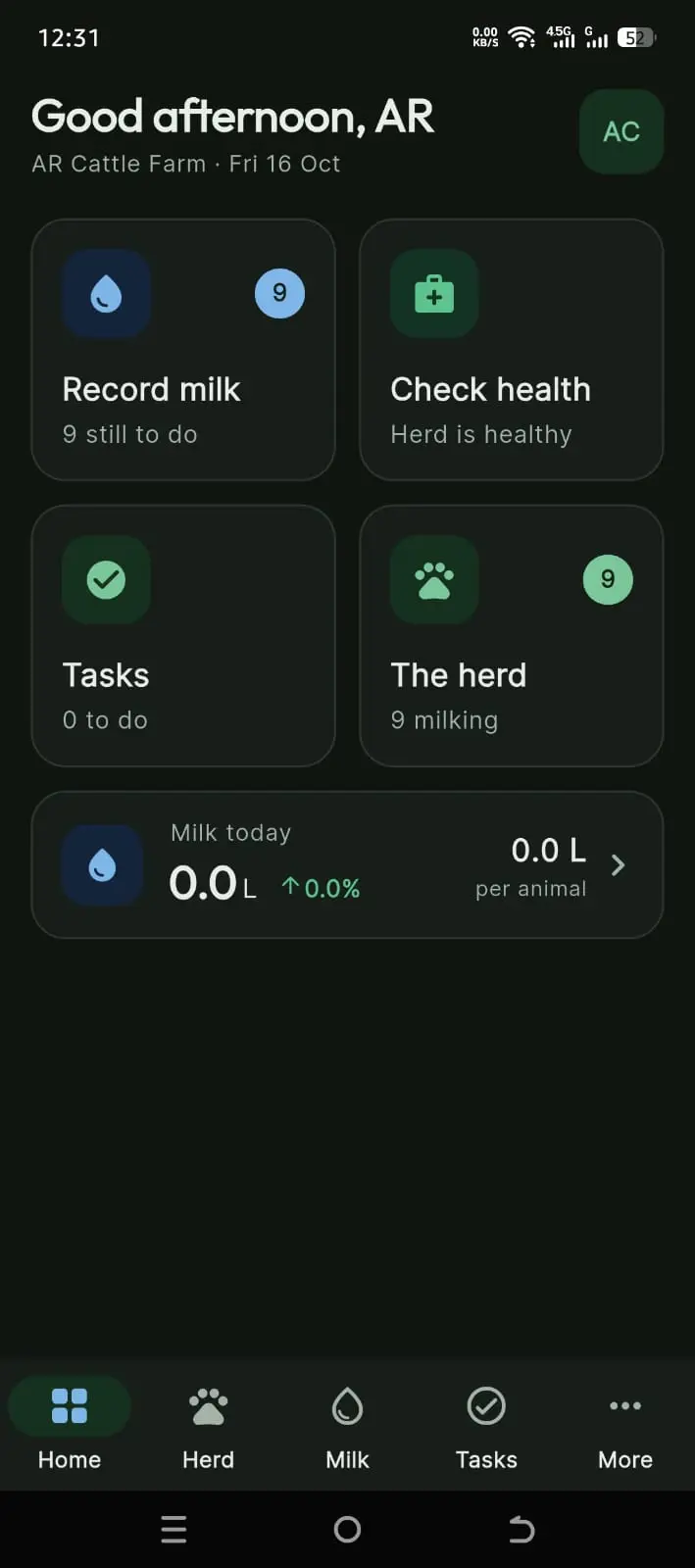
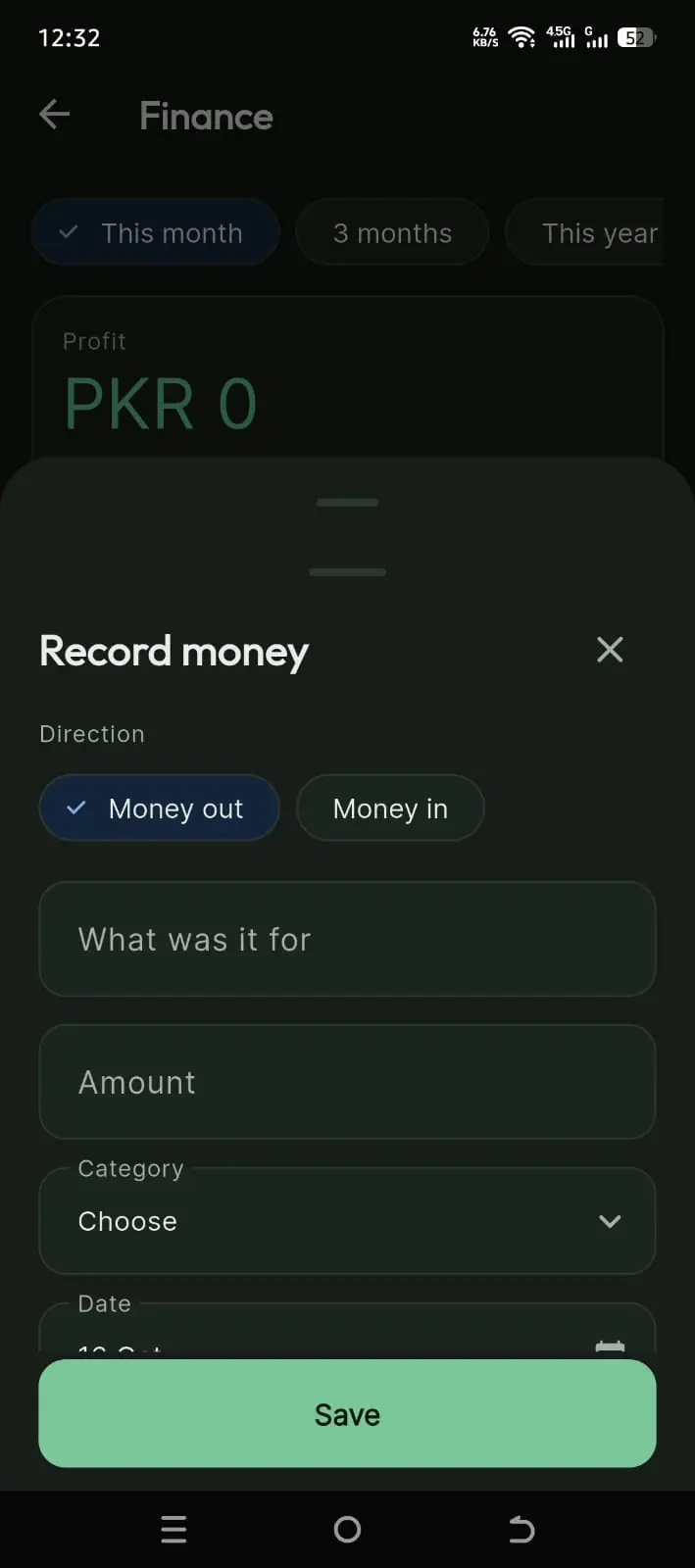
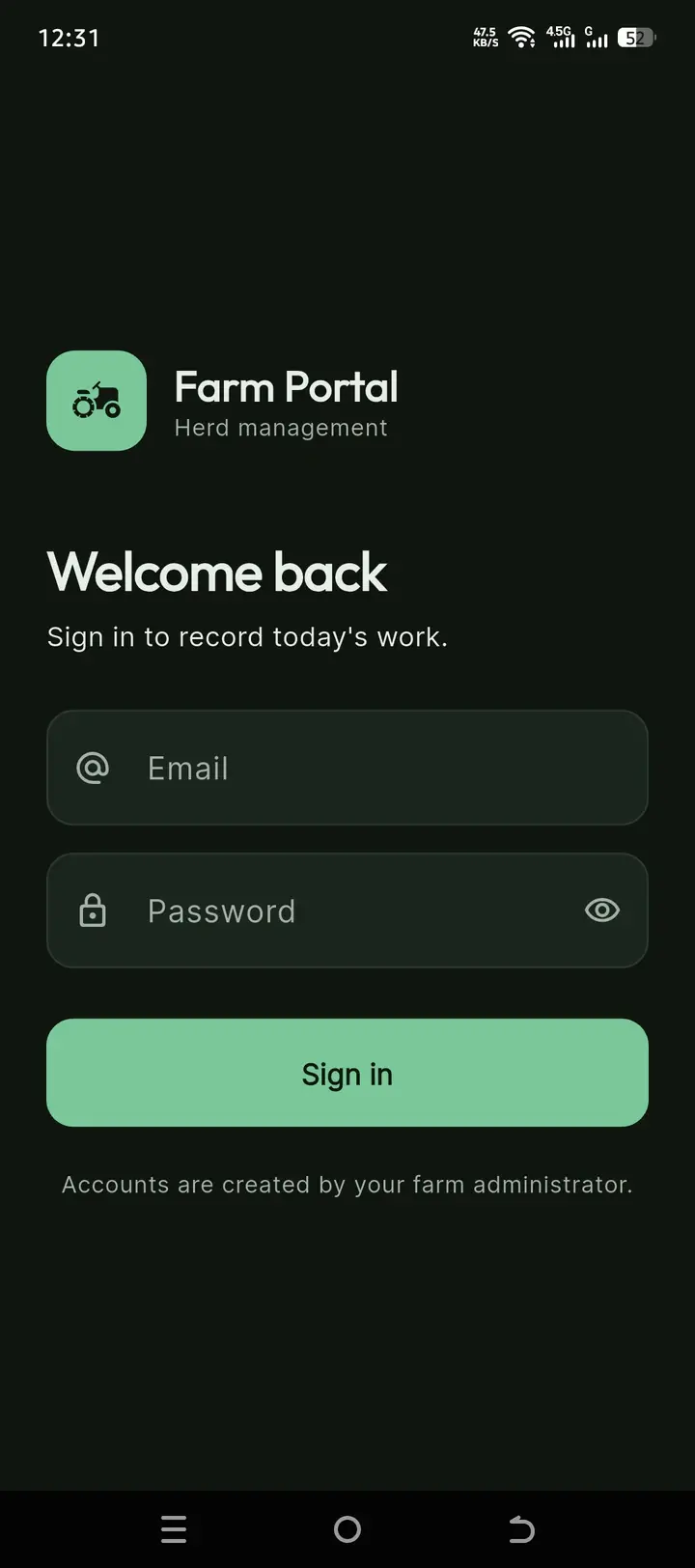
A mobile app that brings a farm’s daily work, herd and finances into one place, with AI-generated monthly financial reports.
- React Native
- NestJS


A first release that does one job end to end for one kind of user, dependable enough for real work and real data, on foundations you keep building on.
At a glance
Our view
An MVP is not a prototype. A prototype gets thrown away; an MVP is the codebase you keep extending, so its foundations (sign-in, the data model, automated deployment, tests) have to be built properly the first time. What stays small is the scope: we help you cut the feature list to the job that tests your riskiest assumption, and measure whether that job gets done.
What we build
Discovery first, to agree the first-release scope and the designs, then delivery in weekly increments.
The smallest set of workflows that tests your riskiest assumption, agreed in writing before anything is built.
The core screens designed and clicked through with the people who will use them, before engineering starts.
Sign-in, roles, the data model, automated builds and deployments, and monitoring, set up to last beyond version one.
Analytics on the job the product exists to do, so the next release is planned from evidence, not opinion.
How we deliver
Goals, users and constraints, then the first-release scope and clickable designs for the core screens.
Repositories, environments, automated deployments and monitoring, in the first sprint.
Each core workflow built, tested and shown every week, so the scope can change while change is still cheap.
A quiet launch to real users, measured against what discovery agreed, then the next release planned from the results.
Related work
A mobile app that brings a farm’s daily work, herd and finances into one place, with AI-generated monthly financial reports.
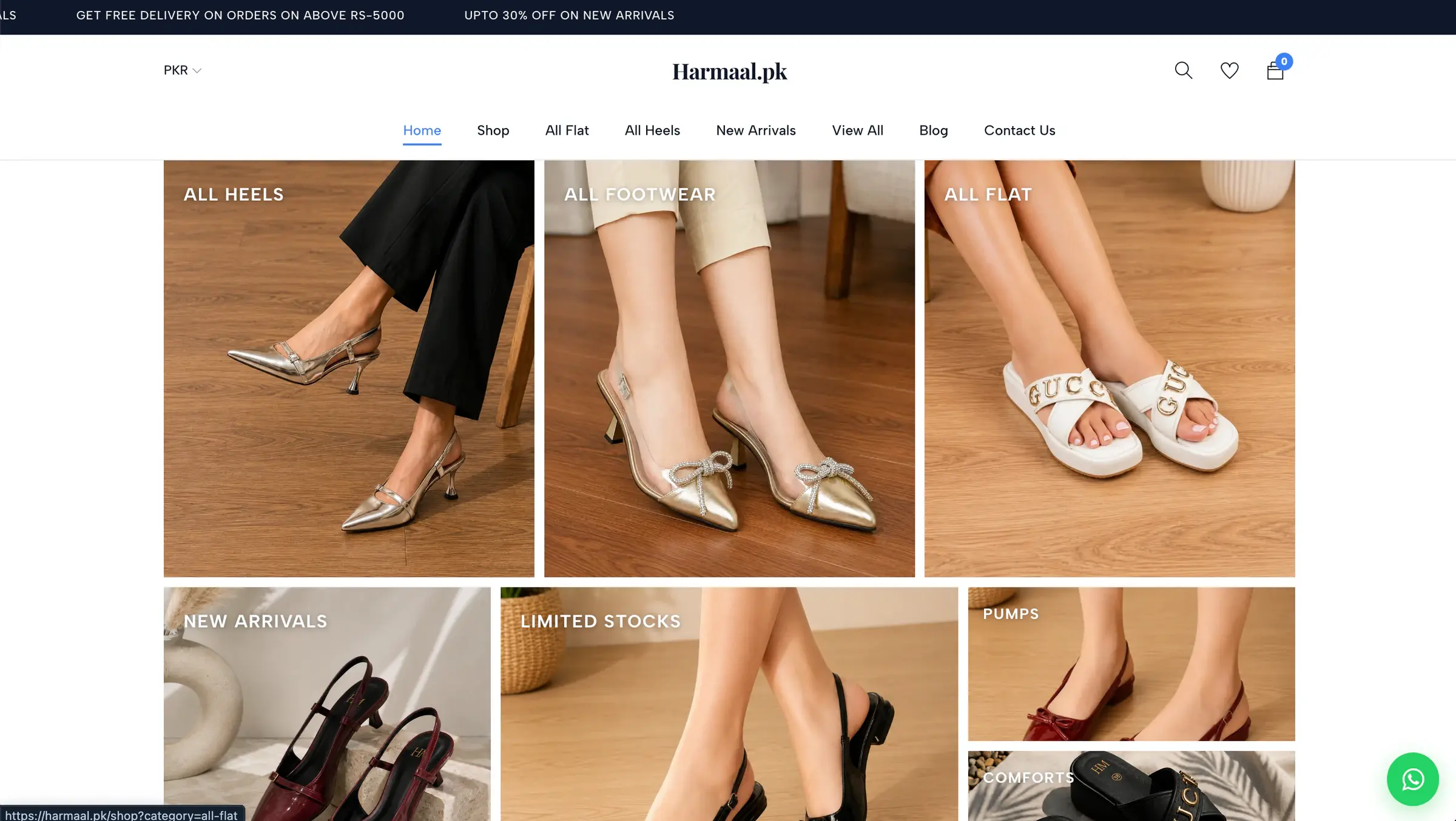
A fashion store built from scratch in Next.js and Node.js, with no Shopify, WooCommerce or CMS underneath and a two-way sync with the shop’s point-of-sale system.
MVP Development · Questions
Something else on your mind? An engineer replies within one business day.
Ask an engineerAlmost every estimate is people × weeks × rate, plus the services the product runs on. Our MVP cost guide works through a focused B2B web product at about 25 person-weeks and shows how the rate changes the total. We don’t publish a price list: after a short discovery you get a written estimate with the team, timeline and assumptions.
The worked example in our MVP cost guide, a B2B web product with organizations, billing and one integration, is about 25 person-weeks of work. More workflows, a mobile app or difficult integrations add to that; if the feature list won’t fit the time you have, we help you cut it.
Not if the foundations are right. Sign-in, the data model, organizations and roles, tests and automated deployment are built properly in the first release, so later versions extend the same codebase instead of replacing it.
In the scope. Dropping a workflow saves far more than cutting corners on tests or security, which only moves the cost to later, with interest.
Start a project
Tell us what you’re building and where you’re stuck. A senior engineer will reply within one business day with honest questions and a suggested first step.