04Farm Portal
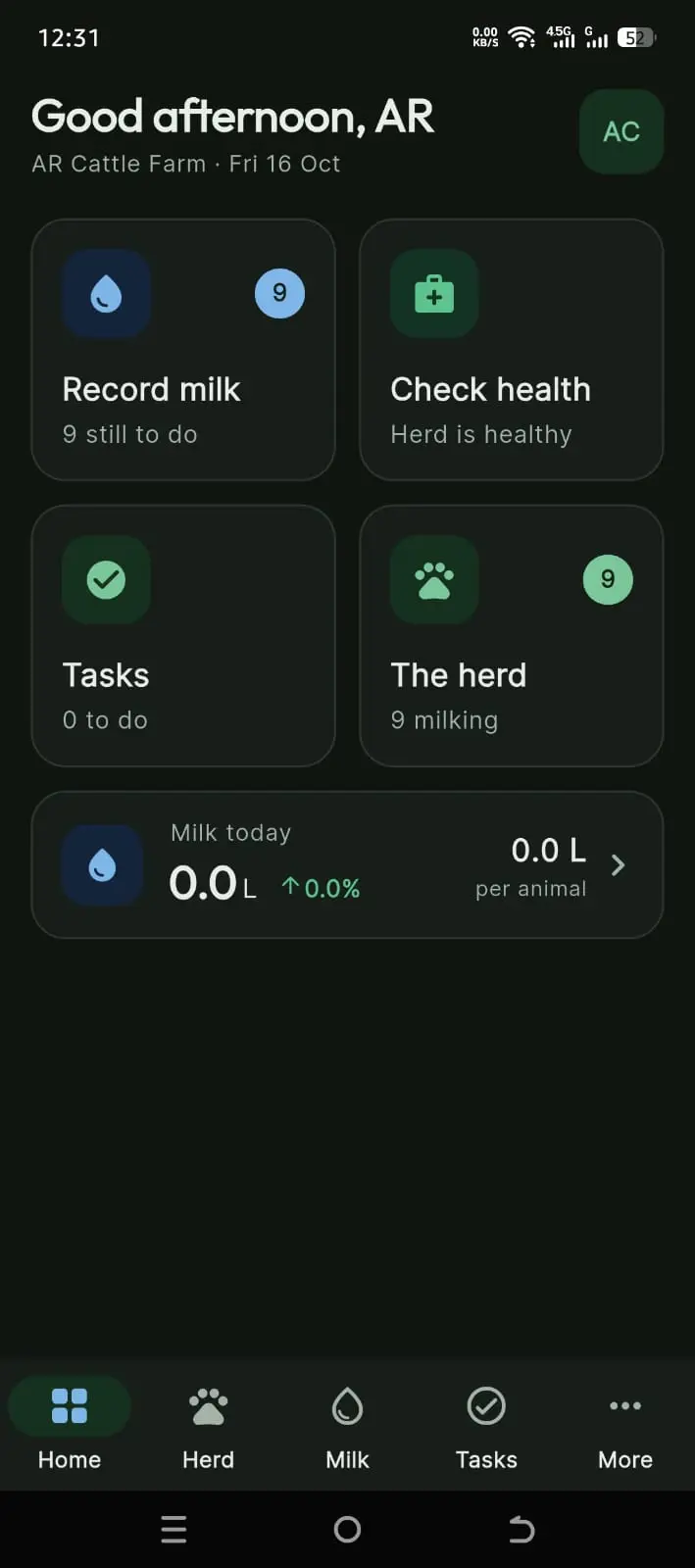
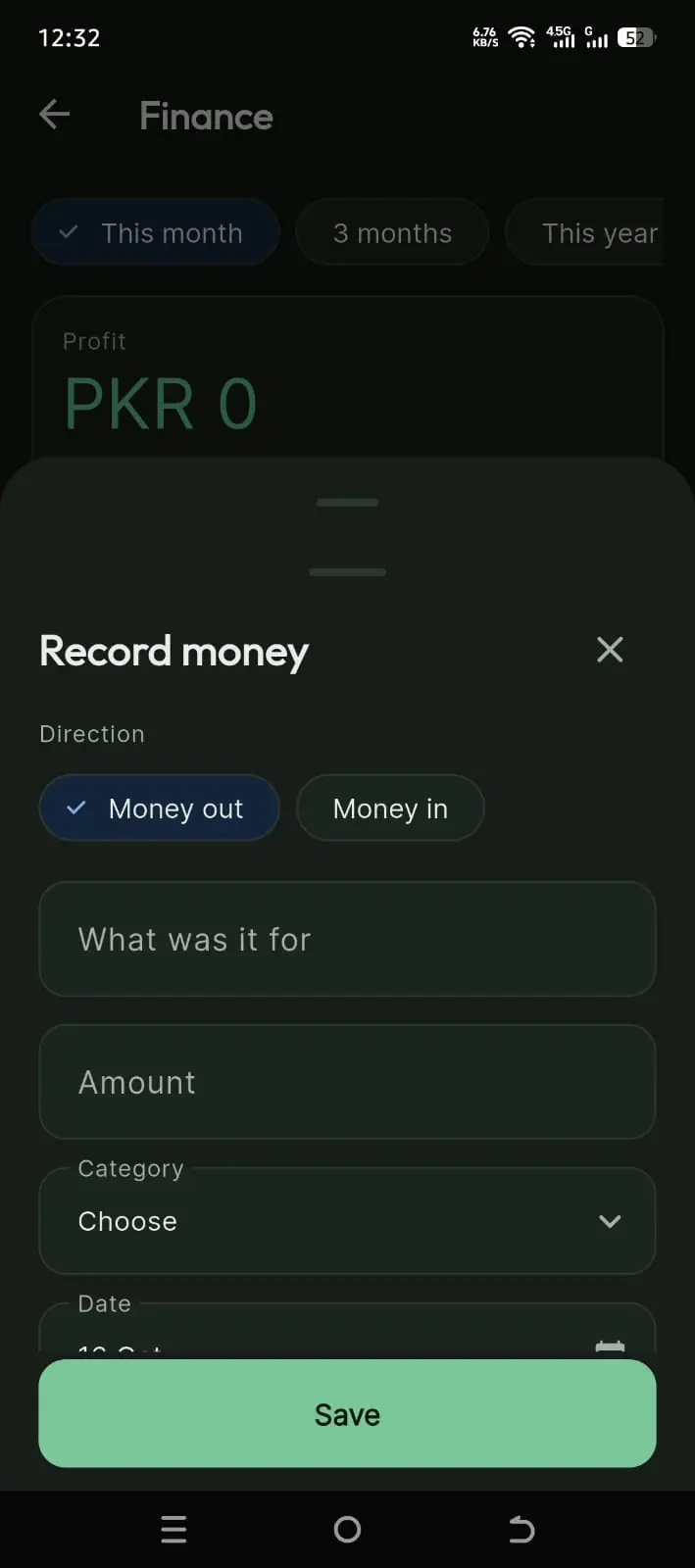
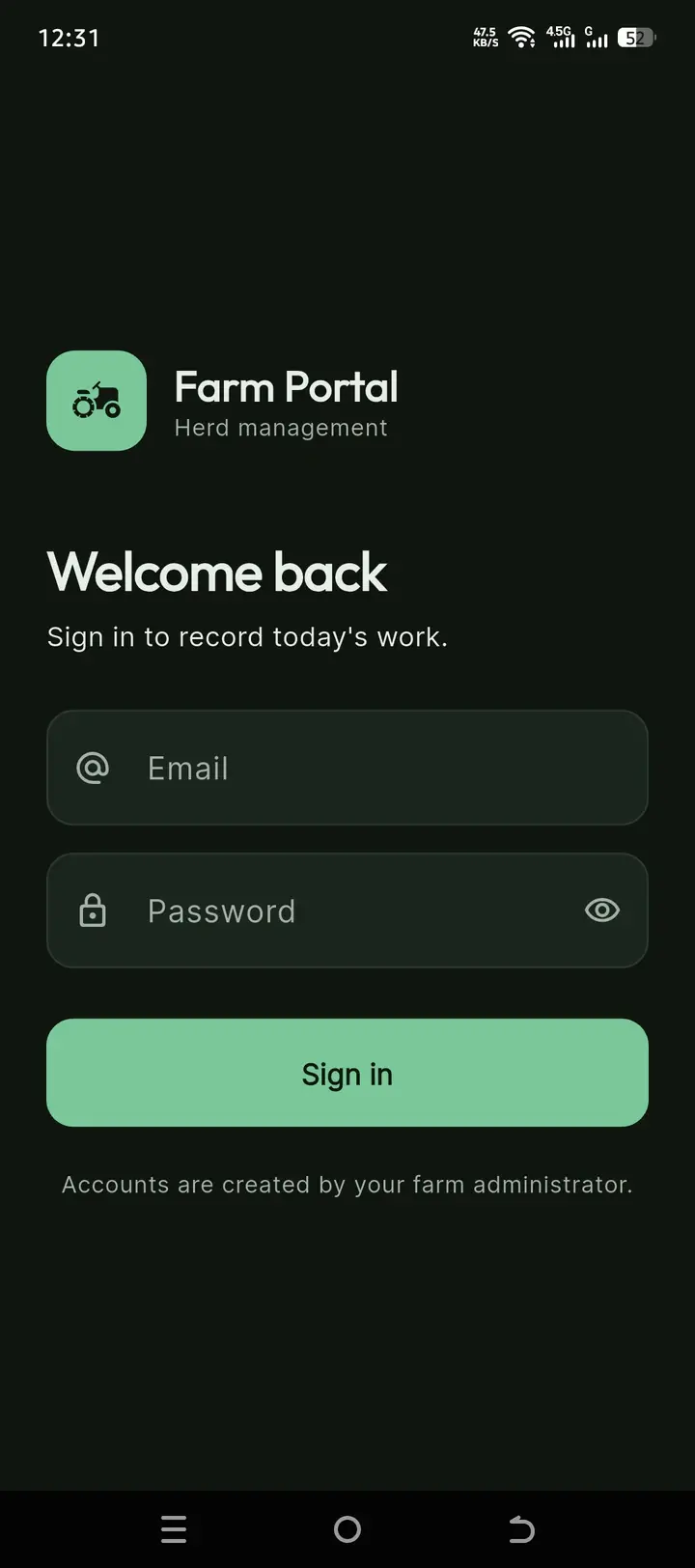
A mobile app that brings a farm’s daily work, herd and finances into one place, with AI-generated monthly financial reports.
- React Native
- NestJS


iOS and Android apps built from one codebase with React Native or Flutter, designed for the people who use them every day and taken through store review and beyond.
At a glance
Our view
A mobile app ships differently from a website. A fix waits for store review and then for each user to install the update, so several versions of your app are live at once and the backend has to serve them all. We plan for that from the start: one cross-platform codebase for iOS and Android in most cases, an API that keeps older versions working, and releases tested before they reach the stores.
What we build
Web and mobile applications typically take 12–24 weeks to a first production release.
One React Native or Flutter codebase for iOS and Android, which suits most business apps.
Fast, simple screens for people recording work as they do it, like the milk, herd and finance records in Farm Portal.
The same product on a phone, focused on what each role needs away from the desk.
The API, data and admin behind the app, built by the same team as the app itself.
AI where it saves time, such as Farm Portal’s AI-generated monthly profit and loss reports.
How we deliver
The jobs the app must do, user flows and clickable designs tested with the people who will use it.
Built in sprints by one team, with a working build to try every week.
Developer accounts, listings, privacy details and review on the App Store and Google Play.
Monitored releases, operating system updates and the platform rules each store changes every year.
Related work
A mobile app that brings a farm’s daily work, herd and finances into one place, with AI-generated monthly financial reports.
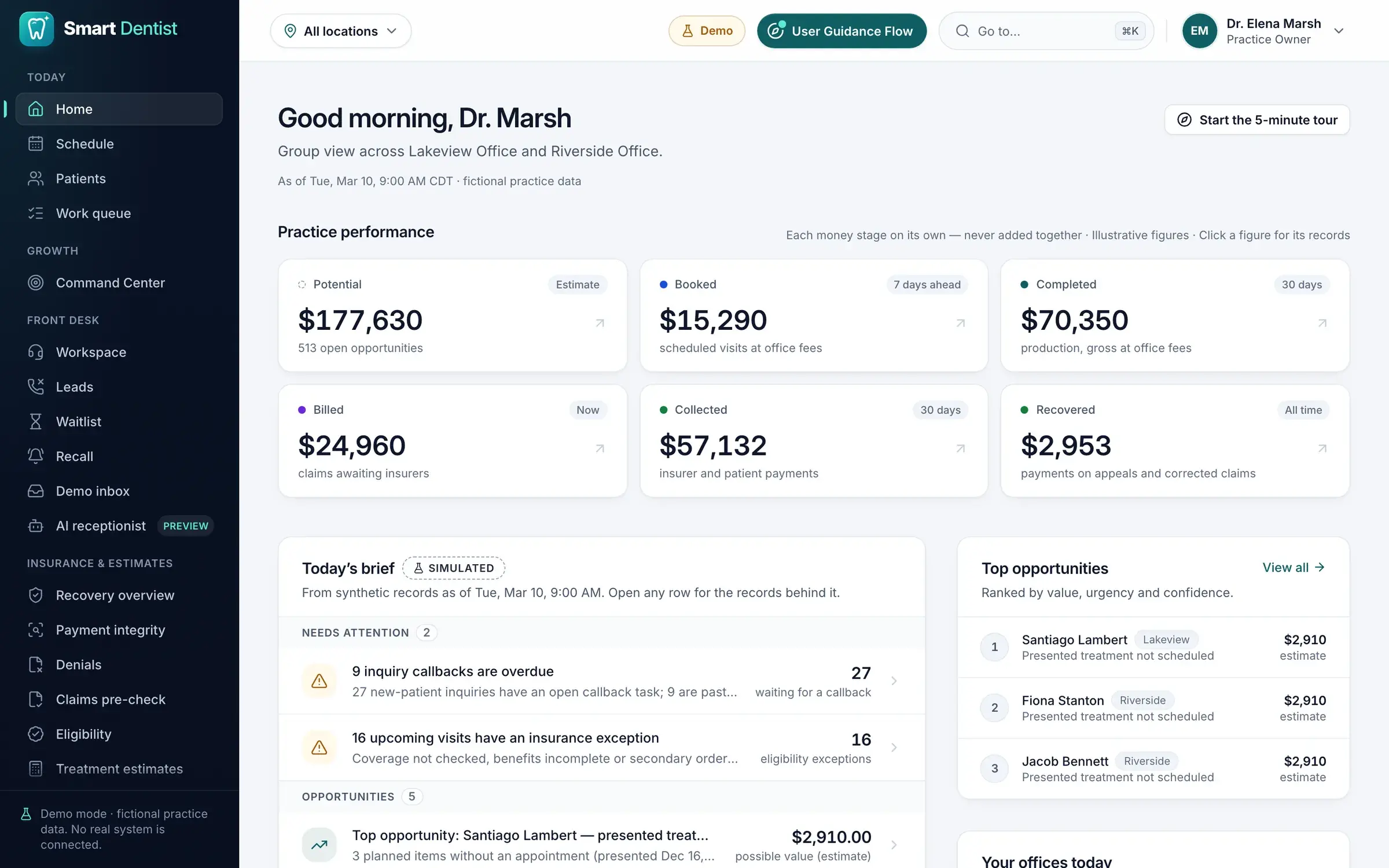
A practice management and revenue growth platform we designed and built for dental clinics: patients, appointments, insurance claims and daily operations in one place, with AI that surfaces the opportunities a busy practice misses.
Mobile App Development · Questions
Something else on your mind? An engineer replies within one business day.
Ask an engineerWhen the product depends on working offline, on device hardware such as the camera, or on a daily habit driven by notifications. Otherwise a responsive web app usually comes first, and a mobile app follows once the business rules sit behind an API.
Publishing costs 99 US dollars a year with Apple and 25 US dollars once with Google Play. Both stores also take a commission on digital goods sold in the app, and both changed their rules again in 2026; payments for physical goods and services used outside the app generally go through your own payment provider. We check the current rules for your category before you set prices.
You do. The code, the App Store and Google Play developer accounts and the backend infrastructure are yours from the first day, documented so your team or another partner can take them over.
Start a project
Tell us what you’re building and where you’re stuck. A senior engineer will reply within one business day with honest questions and a suggested first step.